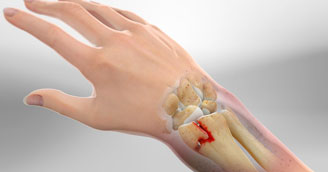
What is a Wrist Bone Fracture?
A Wrist Bone Fracture is a break or crack in one of the bones of the wrist, commonly caused by falls, sports injuries, or accidents. It can affect wrist movement, grip strength, and daily activities if not treated properly.
Early diagnosis and appropriate treatment are important for proper healing and restoring normal wrist function.
Symptoms of Wrist Bone Fracture
Common signs and symptoms include:
- Severe wrist pain after injury
- Swelling and tenderness
- Bruising around the wrist
- Difficulty moving the wrist
- Weak grip strength
- Visible deformity in severe fractures
Causes & Risk Factors
Wrist fractures commonly occur due to trauma or weakened bones.
- Falls on an outstretched hand
- Sports-related injuries
- Road traffic accidents
- Osteoporosis or weak bones
- Direct impact on the wrist
Diagnosis
Proper evaluation helps determine the type and severity of the fracture for accurate treatment planning.
- Detailed physical examination
- X-rays to confirm the fracture
- CT scan for complex fractures if required
- Assessment of wrist movement and stability
Treatment for Wrist Bone Fracture
Treatment depends on the severity and location of the fracture.
- Wrist splint or cast for stable fractures
- Pain management and swelling control
- Physiotherapy to restore movement
- Surgical fixation for displaced fractures
- Rehabilitation for strength and flexibility
Timely treatment helps achieve proper healing and prevents long-term wrist stiffness or weakness.
Benefits of Early Treatment
- Faster and proper bone healing
- Reduced pain and swelling
- Improved wrist movement and strength
- Prevention of long-term complications
Prevention Tips
You can reduce the risk of wrist fractures by:
- Using protective gear during sports
- Maintaining strong bone health
- Exercising regularly for bone strength
- Preventing falls and wrist injuries
- Managing osteoporosis properly