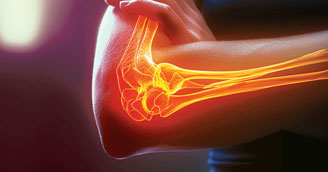
What is a Stiff Elbow?
A Stiff Elbow is a condition in which the elbow loses its normal range of movement, making it difficult to bend or straighten the arm completely.
It may develop after injuries, fractures, surgery, arthritis, or prolonged immobilization and can significantly affect daily activities.
Symptoms of Stiff Elbow
Common signs and symptoms include:
- Reduced elbow movement
- Difficulty bending or straightening the arm
- Elbow pain or discomfort
- Joint stiffness after rest
- Swelling around the elbow
- Weakness in arm movements
Causes & Risk Factors
Stiff elbow can develop due to different underlying conditions or injuries.
- Elbow fractures or dislocations
- Arthritis or joint inflammation
- Scar tissue formation after injury
- Prolonged immobilization in a cast or splint
- Previous elbow surgery
Diagnosis
Proper evaluation helps determine the cause and severity of elbow stiffness for effective treatment planning.
- Detailed physical examination
- Assessment of elbow movement
- X-rays to evaluate joint condition
- CT scan or MRI if required
Treatment for Stiff Elbow
Treatment depends on the underlying cause and severity of stiffness.
- Physiotherapy and stretching exercises
- Pain-relieving and anti-inflammatory medications
- Joint mobilization techniques
- Elbow arthroscopy for severe stiffness
- Surgical release in advanced cases
Early treatment helps improve elbow flexibility, reduce pain, and restore normal arm function.
Benefits of Early Treatment
- Improved elbow mobility and flexibility
- Reduced pain and stiffness
- Better arm strength and function
- Faster return to daily activities
Prevention Tips
You can reduce the risk of elbow stiffness by:
- Starting movement exercises early after injury
- Following physiotherapy guidance properly
- Avoiding prolonged immobilization
- Seeking timely treatment for elbow injuries
- Maintaining regular joint flexibility exercises