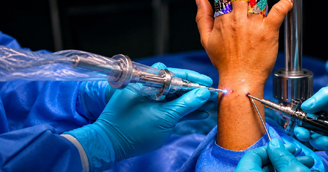
What is Wrist Arthroscopy?
Wrist Arthroscopy is a minimally invasive surgical procedure used to diagnose and treat problems inside the wrist joint using a small camera called an arthroscope.
This advanced technique allows accurate treatment of wrist injuries and disorders with smaller incisions, less pain, and faster recovery compared to traditional open surgery.
Conditions Treated with Wrist Arthroscopy
Wrist arthroscopy can help diagnose and treat several wrist conditions, including:
- Scaphoid Non Union
- Wrist ligament injuries
- TFCC tears and instability
- Chronic wrist pain
- Wrist fractures
- Loose bodies inside the joint
- Inflammatory or degenerative wrist conditions
Symptoms That May Require Wrist Arthroscopy
You may require wrist arthroscopy if you experience:
- Persistent wrist pain
- Wrist instability or weakness
- Limited wrist movement
- Clicking or locking sensation in the wrist
- Swelling after injury
- Failure to improve with conservative treatment
Diagnosis & Evaluation
Proper evaluation helps determine the exact cause of wrist pain and guides treatment planning.
- Detailed physical examination
- X-rays and MRI scans
- Assessment of wrist stability and movement
- Arthroscopic visualization of the joint
Benefits of Wrist Arthroscopy
- Minimally invasive procedure
- Smaller incisions and minimal scarring
- Less pain after surgery
- Faster recovery and rehabilitation
- Improved wrist movement and function
Recovery After Wrist Arthroscopy
Recovery time depends on the condition being treated and the extent of the procedure performed.
- Wrist support or splint may be required
- Physiotherapy helps restore movement
- Gradual return to normal activities
- Regular follow-up for monitoring recovery
Prevention Tips
You can help protect your wrist joints by:
- Avoiding repetitive wrist strain
- Using proper protective gear during sports
- Strengthening wrist muscles regularly
- Seeking early treatment for wrist injuries