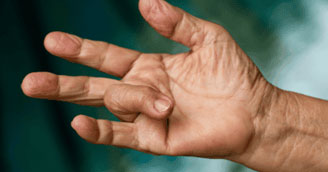
What is Trigger Finger?
Trigger Finger, also known as stenosing tenosynovitis, is a condition in which a finger or thumb gets stuck in a bent position and suddenly snaps straight. It occurs due to inflammation or thickening of the tendon sheath, making finger movement painful and difficult.
Trigger Finger commonly affects people who perform repetitive gripping activities and may worsen if left untreated.
Symptoms of Trigger Finger
Common signs and symptoms include:
- Finger stiffness, especially in the morning
- Pain or tenderness at the base of the finger
- Clicking or popping sensation while moving the finger
- Finger locking in a bent position
- Difficulty in straightening the finger
- Swelling or a small lump near the palm
Causes & Risk Factors
Trigger Finger may develop due to repeated stress on the hand and fingers.
- Repetitive gripping or hand movements
- Diabetes or rheumatoid arthritis
- Overuse of fingers during work or sports
- Inflammation of finger tendons
- More common in middle-aged adults
Diagnosis
Trigger Finger is usually diagnosed through clinical examination and evaluation of finger movement, pain, and locking symptoms.
- Physical examination of the hand and fingers
- Assessment of finger locking and stiffness
- Evaluation of swelling and tenderness
Treatment for Trigger Finger
Treatment depends on the severity and duration of the condition.
- Rest and activity modification
- Splinting to limit finger movement
- Anti-inflammatory medications
- Steroid injections for pain and swelling relief
- Minimally invasive Trigger Finger release surgery
Early treatment helps relieve pain, restore smooth finger movement, and prevent permanent stiffness.
Benefits of Early Treatment
- Reduced pain and inflammation
- Improved finger flexibility and movement
- Prevention of permanent finger locking
- Faster return to daily activities
Prevention Tips
You can lower the risk of Trigger Finger by:
- Avoiding repetitive strain on fingers
- Taking regular breaks during hand-intensive activities
- Performing hand stretching exercises
- Managing diabetes and joint conditions properly